No-Tent Termite Treatment
in Broward County
Drywood and subterranean termite treatment by a licensed local team
Drywood & Subterranean
Termite Treatment
We identify the termite type, explain the risk, recommend the right no-tent treatment when appropriate, provide documentation, and help you reduce risk without unnecessary disruption.
Fast Quote
Licensed Team
No Need to Leave the Home
Local Office in Davie
No-Tent Termite Treatment
Backed by HouseMaster inspection experience
Call us today to schedule your termite treatment
+1 754-340-8727
This service is ideal if you have:
Visible termite droppings
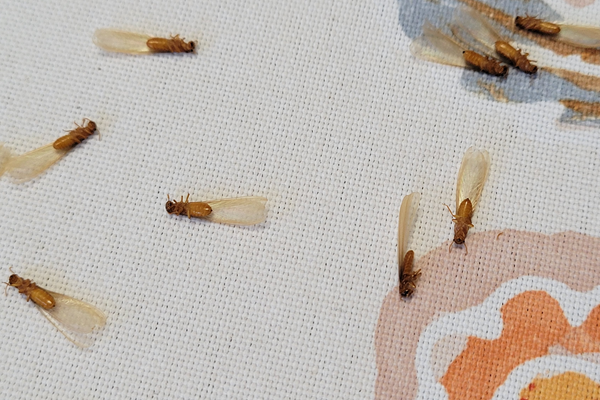
Termite wings or swarm activity
Drywood termite activity in attic, cabinets, doors ...
Subterranean termite tubes or soil-related activity
A real estate transaction needing a WDO report
A prior termite issue, and need protection before it gets worse
Not sure which termite you have?
We inspect first and recommend the right treatment.
Tough on Bugs, Not the Environment
Safe for Pets and Kids
You don't need to leave the home during application
No Tent
Termite
Treatment
In Broward
Includes a 1-year renewable treatment plan.
Ask us about ongoing termite protection after treatment.
Call us today to schedule your termite treatment
+1 754-340-8727
Drywood
Termite Treatment starting at
$950
up to 2,500 Sq.Ft.
Long Lasting Protection
Against Termites
Same Day Free & Clear
WDO Report
No Need to leave the home
Treatment Done In 1 Hour
Subterranean
Termite Treatment starting at
$1450
up to 2,500 Sq.Ft.
No Need to leave the home
Treatment Done In 1 Hour
Same Day Free & Clear
WDO Report
Long Lasting Protection
Against Termites
We commonly help Broward homeowners searching for termite treatment in Davie, no-tent termite treatment in Fort Lauderdale, drywood termite treatment in Weston, subterranean termite treatment in Plantation, and WDO inspection support throughout Broward County.
Final pricing depends on termite type, accessibility, severity, and treatment area.
Why Broward homeowners choose HouseMaster
HouseMaster brings inspection experience, WDO knowledge, and a local Broward team together in one place. We help you understand what was found, what treatment is recommended, and what documentation you may need for your property, real estate transaction, or peace of mind.
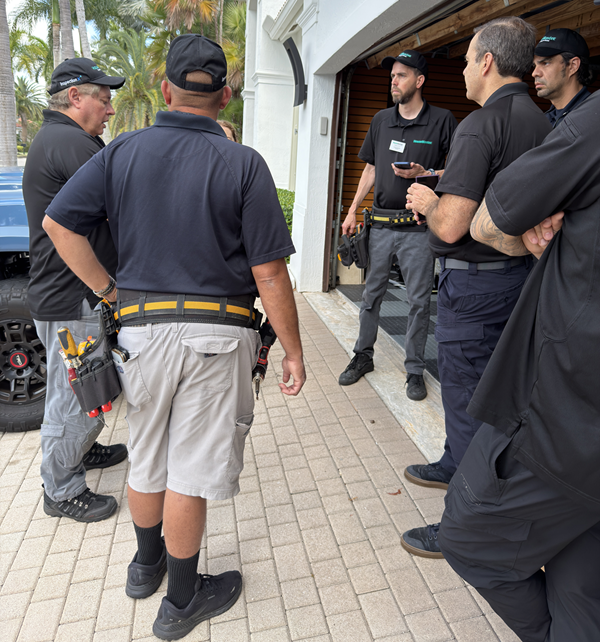
Call Now and Get your Home Inspected by a qualified Professional
Which termite do I have?
Drywood vs. Subterranean Termites: Why the Type Matters
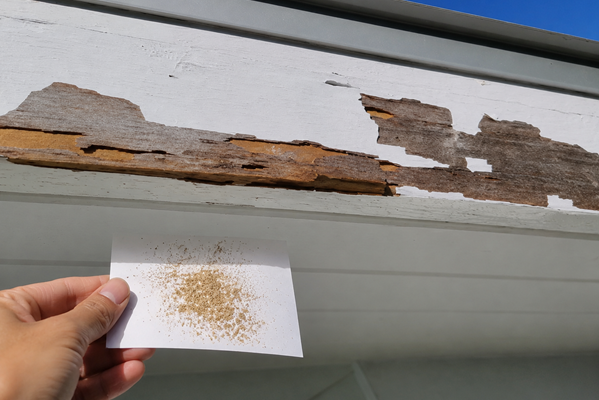
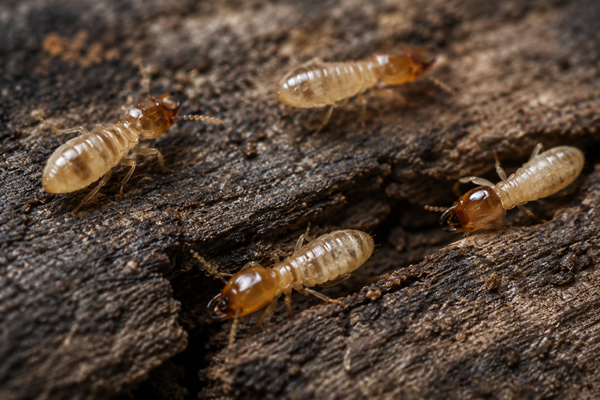
Drywood termites are commonly identified by pellets or frass, especially in attics, soffits, fascia, doors, cabinets, and roof structures. They live inside the wood and often develop slowly over time.
Subterranean termites usually come from the soil and are commonly identified by mud tubes, soil-related activity, or visible live termites when the tubes are broken. These termites can be more aggressive and usually require a different treatment strategy.
The treatment should match the termite type, location, and severity. That is why we inspect first, identify what is present, and then recommend the right treatment approach.
No-Tent Termite Treatment vs. Tenting
Drywood vs. Subterranean Termites: Why the Type Matters
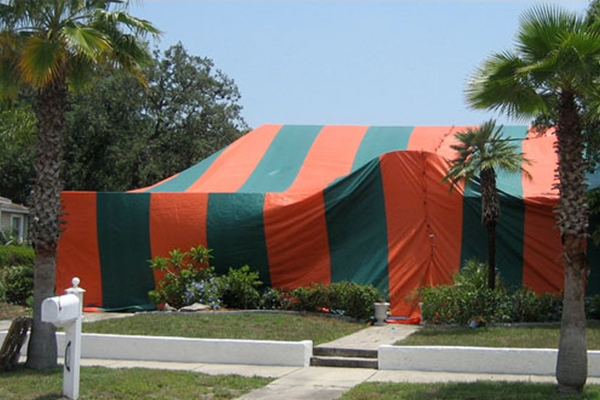
Many homeowners think tenting is always the strongest solution, but tenting is not the best solution. In many drywood termite situations, targeted no-tent liquid and foam treatments may be better, especially when activity is accessible and not widespread.
No-tent treatment can often be completed without leaving the home, without removing food and medications, and without the disruption of fumigation. It provides residual protection, so tretment stays long after the aplication.
Tenting may still be appropriate for severe, widespread, or inaccessible infestations. The right answer depends on the termite type, location, severity, and property conditions.
How Our No-Tent Treatment Works
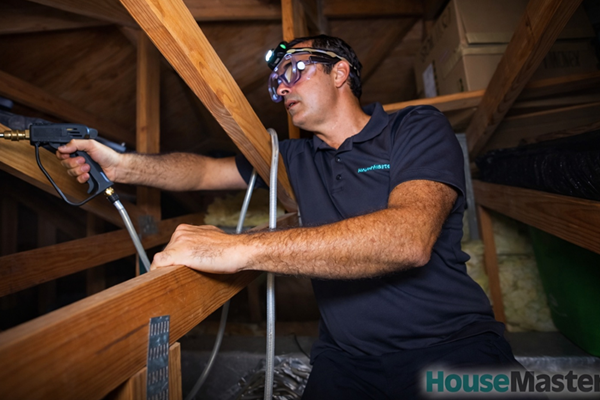
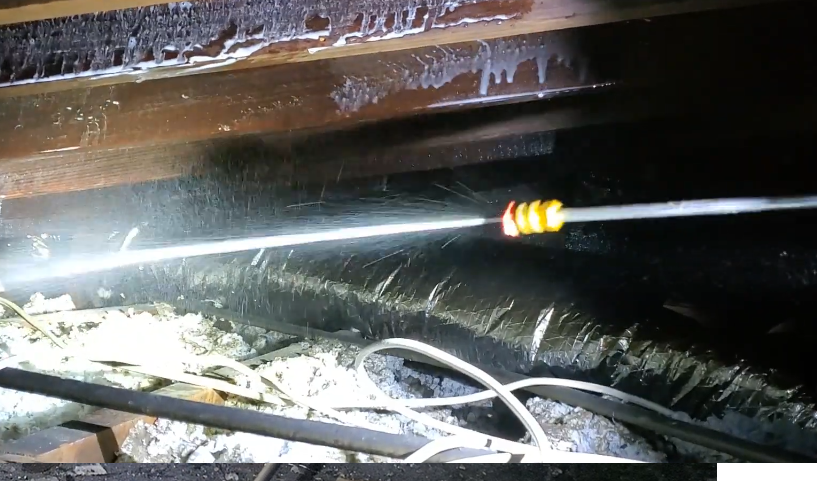
Our no-tent treatment uses a combination of liquid and foam applications depending on the termite type and location.
Liquid treatment is applied to affected or vulnerable wood areas to help provide ongoing protection in treated components. Foam can be used in selected concealed areas where activity is suspected or identified, helping reach spaces that are not easily accessible with surface treatment alone.
Before treatment, we inspect the home to identify signs of drywood termites, subterranean termites, termite wings, frass, mud tubes, damaged wood, or other WDO activity. Then we recommend the treatment method that fits the condition.
Licensed WDO Inspection + Treatment Guidance
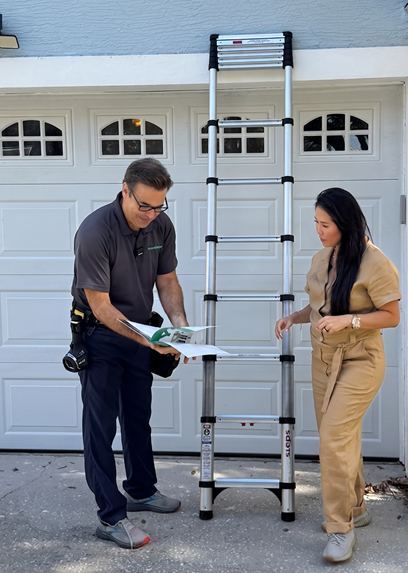
A termite treatment decision should start with proper identification. HouseMaster brings WDO inspection experience and licensed termite knowledge together, helping homeowners understand what was found, what type of termite is involved, and what treatment option makes sense.
When applicable, we can provide WDO documentation for real estate transactions, treatment records, and follow-up planning.
This is important because many home inspectors can only say “suspected activity.” A licensed WDO inspection can provide clearer evaluation and next-step guidance.
Signs You May Need Termite Treatment
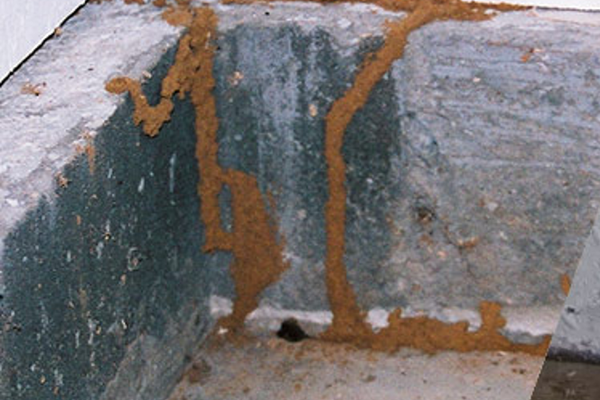
You may need termite inspection or treatment if you notice termite wings near windows or doors, drywood termite pellets, termite droppings, mud tubes, damaged wood, hollow-sounding trim, activity in the attic, frass near cabinets or baseboards, or swarm activity around lights.
In Florida, termite activity can be seasonal and may not always mean there is an active infestation inside the structure. However, visible wings, droppings, mud tubes, or recurring frass should be evaluated by a licensed WDO professional.
No-Tent Termite Treatment in Broward County
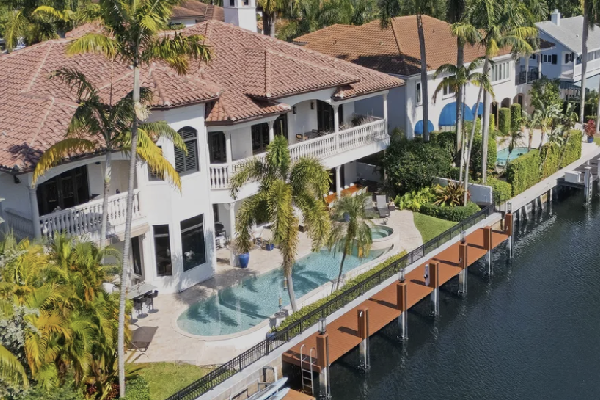
HouseMaster provides no-tent termite treatment and WDO inspection support throughout Broward County, including Davie, Fort Lauderdale, Plantation, Sunrise, Weston, Cooper City, Pembroke Pines, Hollywood, Miramar, Coral Springs, Parkland, Pompano Beach, Deerfield Beach, Tamarac, and nearby areas.
Service Areas
South Florida
Fort Lauderdale & Wilton Manors
Hollywood & Dania Beach
Hallandale Beach & Aventura
Pembroke Pines & Miramar
Weston & Parkland
Davie & Southwest Ranches
Cooper City & Plantation
Sunrise & Tamarac
Coral Springs & Coconut Creek
Lighthouse Point & Lauderdale-by-the-Sea
Margate & North Lauderdale
Deerfield Beach & Pompano Beach
Central Florida
Kissimmee & ChampionsGate
St. Cloud & Davenport
Lake Mary & Sanford
Oviedo & Waterford Lakes
The Villages & Leesburg
Clermont & Minneola
Mount Dora & Eustis
Winter Garden & Celebration
Winter Park & Maitland
Altamonte Springs & Longwood
Orlando and Surroundings
Frequenly Asked Questions
Do I need to tent my house for termites?
Not always. Many termite conditions can be treated with no-tent liquid and foam applications. If the infestation appears widespread or inaccessible, we will explain your options.
Is no-tent termite treatment safe for pets and kids?
For typical no-tent applications, homeowners usually do not need to leave the home. Pets and children should be kept away from treated areas until the product has dried, following label and technician instructions.
What is the difference between drywood and subterranean termites?
Drywood termites live inside wood and are often identified by pellets or frass. Subterranean termites usually come from the soil and are often identified by mud tubes. The treatment strategy depends on which type is present.
How fast can termite treatment be completed?
Many standard no-tent treatments can be completed quickly, depending on the property, accessibility, and condition. The exact timing depends on the type of termite activity and the treatment area
Do you provide a WDO report?
Yes, WDO documentation may be provided when applicable, including same-day free-and-clear documentation in qualifying situations.
Does no-tent treatment prevent future termites?
No treatment should be described as eliminating all future risk. However, no-tent liquid and foam applications can provide residual protection in treated areas and help reduce risk of future activity. While when tenting is removed, there is no residual protection
How much does termite treatment cost?
Pricing depends on termite type, property size, accessibility, and severity. Your page currently lists drywood treatment starting at $950 and subterranean treatment starting at $1,450 for homes up to 2,500 sq. ft., so make sure the final page clearly says “starting at” or “for qualifying conditions” if that is the intent.
What is the difference between drywood and subterranean termites?
Drywood termites live inside wood and are often identified by pellets or frass. Subterranean termites usually come from the soil and are often identified by mud tubes. The treatment strategy depends on which type is present.
Should I inspect before treating?
Yes. The best treatment starts with identification. Drywood termites, subterranean termites, beetles, wood rot, and other WDO concerns require different recommendations.
Is termite damage covered by homeowners insurance?
Many standard homeowners policies do not cover termite damage, so early inspection and treatment can help reduce risk before damage becomes more expensive. Orkin also notes that most homeowners insurance plans do not cover termite damage.
No-Tent Termite Treatment
in Broward County
Drywood and subterranean termite treatment by a licensed local team
No tent required in many cases
Fast quote
WDO documentation
Licensed WDO Team | Local Davie Office | No Need to Leave Home | Same-Day Documentation